

Материалы доступны только для специалистов сферы здравоохранения.
Чтобы посмотреть материал полностью
Авторизуйтесь
или зарегистрируйтесь.
Лерканидипин – новый антагонист кальция III поколения для лечения артериальной гипертензии (реферат) - Журнал Системные Гипертензии №1 (2010)
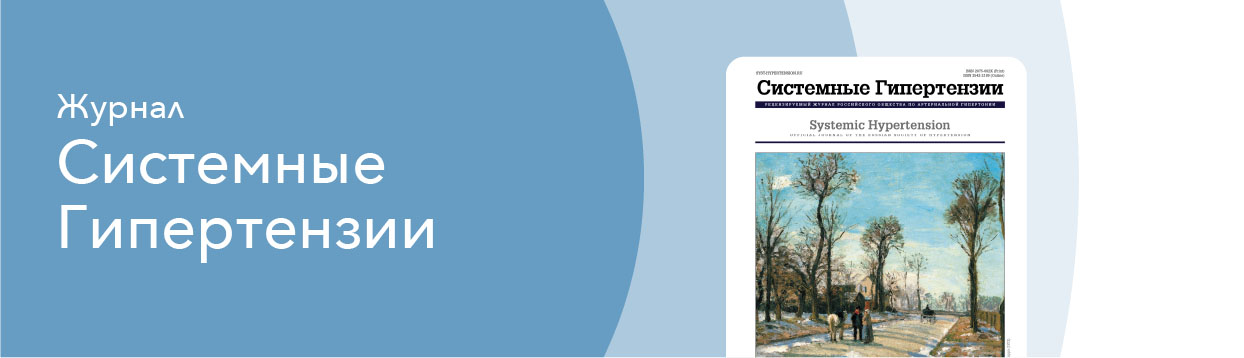
Лерканидипин – новый антагонист кальция III поколения для лечения артериальной гипертензии (реферат)
Материалы доступны только для специалистов сферы здравоохранения.
Чтобы посмотреть материал полностью
Авторизуйтесь
или зарегистрируйтесь.
Аннотация
В ряде последних крупных рандомизированных исследований была четко продемонстрирована важность антигипертензивной терапии для профилактики сердечно-сосудистой смертности. Антагонисты кальция занимают достойное место в арсенале терапевтических средств для контроля факторов сердечно-сосудистого риска. Несмотря на недавние споры о побочных эффектах и проблемах, связанных с безопасностью применения блокаторов кальциевых каналов, они, по-прежнему, играют важную роль в лечении артериальной гипертензии. В то время как ранние разработки фокусировались на повышении мощности и селективности блокаторов кальциевых каналов, большинство последних разработок касается получения препаратов с медленным началом и большей продолжительностью действия. Последним из полученных препаратов в данном направлении является лерканидипин. Этот представитель блокаторов кальциевых каналов объединяет в себе практически все благоприятные эффекты. С фармакологической точки зрения препарат обладает высокой липофильностью, что обусловливает его большую продолжительность действия и возможность применения 1 раз в день. Он обладает уникальным связывающим профилем, гарантирующим перманентное блокирующее действие на кальциевые каналы, не связанное с его концентрацией в плазме крови. Процентная доля пациентов, ответивших на терапию, находится между 70 и 90%. Идеальная дозировка составляет 10–20 мг/сут. Нежелательные явления возникают редко, и пожилые пациенты имеют ряд положительных моментов при использовании данного препарата. Тысячи пациентов в Европе уже с успехом получают лерканидипин. В частности, нежелательное действие на сердечно-сосудистую систему дигидропиридинов I поколения, таких как нифедипин, на фоне терапии лерканидипином фактически отсутствует.
Ключевые слова: лерканидипин, антагонисты кальция, артериальная гипертензия.
Key words: lercanidipine, calcium antagonists, arterial hypertension.
Ключевые слова: лерканидипин, антагонисты кальция, артериальная гипертензия.
________________________________________________
Key words: lercanidipine, calcium antagonists, arterial hypertension.
Полный текст
Список литературы
1. Uemura K, Pisa Z. Trends in cardiovascular disease mortality in industrialised countries since 1950. World Health Stat Q 1988; 41: 155–68.
2. Marques-Vidal P, Tuomilehto J. Hypertension awareness, treatment and control in the community: is the «rule of halves» still valid? J Hum Hypertens 1997; 11: 213–20.
3. Murray CJL, Lopez AD. The global burden of disease. a comprehensive assessment of mortality and disability from diseases, injuries, and risk factors in 1990 and projected to 2020. World Health Organisation, Geneva, 1996.
4. MacMahon S, Peto R, Cutler J et al. Blood pressure, stroke, and coronary disease. Part 1, prolonged differences in blood pressure: prospective observational studies corrected for the regression dilution bias. Lancet 1990; 335: 765–74.
5. Eastern Stroke and Coronary Heart Disease Collaborative Research Group. Blood pressure, cholesterol and stroke in Eastern Asia. Lancet 1998; 352: 1801–7.
6. Prospective Studies Collaboration. Cholesterol, diastolic blood pressure, and stroke: 13,000 strokes in 45,000 people in 45 prospective cohorts. Lancet 1995; 346: 1647–53.
7. Klag MJ, Whelton PK, Randall BL et al. Blood pressure and end-stage renal disease in men. N Engl J Med 1996; 334: 13–8.
8. UK Prospective Diabetes Study Group. Tight blood pressure control and risk of macrovascular and microvascular complications in type 2 diabetes: UKPDS 38. BMJ 1998; 317: 703–13.
9. Staessen JA, Fagard R, Thijs L et al., for the Systolic Hypertension in Europe (Syst-Eur) Trial Investigators. Randomised double-blind comparison of placebo and active treatment for older patients with isolated systolic hypertension. Lancet 1997; 350: 757–64.
10. World Health Organization-International Society of Hypertension Guidelines for the Management of Hypertension. J Hypertens 1999; 17: 151–83.
11. Pahor M, Guralnik JM, Furberg CD et al. Risk of gastrointestinal haemorrhage with calcium antagonists in hypertensive persons over 67 years old. Lancet 1996; 347: 1061–5.
12. Pahor M, Guralnik JM, Ferrucci L et al. Calcium-channel blockade and incidence of cancer in aged populations. Lancet 1996; 348: 493–7.
13. Furberg CD, Psaty BM, Meyer JV. Nifedipine: dose-related increase in mortality in patients with coronary heart disease. Circulation 1995; 92: 1326–31.
14. Psaty BM, Heckbert SR, Koepsell TD et al. The risk of myocardial infarction associated with antihypertensive drug therapies. JAMA 1995; 274: 620–5.
15. Gong L, Zhang W, Zhu Y et al. Shanghai Trial of Nifedipine in the Elderly (STONE). J Hypertens 1996; 14: 1237–45.
16. Gasser R. Calcium antagonists: pharmacological agents in search of new clinical indications. Angiology 1990; 41: 36–41.
17. Goa KL, Sorkin EM. Nitrendipine. A review of its pharmacodynamic and pharmacokinetic properties and therapeutic efficacy in the treatment of hypertension. Drugs 1987; 33: 123–55.
18. Meredith PA, Elliott HL. Amlodipine: clincial relevance of a unique pharmacokinetic profile. J Cardiovasc Pharmacol 1993; 22 (Suppl. A): S6–8.
19. Triggle DJ. Pharmacologic and therapeutic differences among calcium channel antagonists: profile of mibefradil, a new calcium antagonist. Am J Cardiol 1996; 78 (Suppl. 9A): 7–12.
20. Brohani NO, Mercuri M, Borhani PA et al. Final outcome results of the Multicenter Isradipine Diuretic Atherosclerosis Study (MIDAS). A randomized controlled trial. JAMA 1996; 276: 785–91.
21. Herbette L. Lipophilic design of dihydropyridine calcium channel blockers: enhanced membrane properties. 3rd European Meeting on Calcium Antagonists. Symposium Lipophilic dihydropyridines: a new generation of calcium channel blockers. Amsterdam, October 31, 1997 (Abstract).
22. Leonardi A, Nardi D, Pennini R et al. New 1,4-dihydropyridines with antihypertensive activity. IX International Symposium on Medical Chemistry, Berlin, September 14–18, 1986.
23. Nardi D, Leonardi A, Cerri A et al. Asymmetric N-(3,3 diphenylpropyl)aminoalkyl esters of 4-aryl-2,6-dimethyl-1,4-dihydropyridine-3,5-dicarboxylic acids with antihypertensive activity. J Mol Cell Cardiol 1995; 27: A385.
24. Fleckenstein A, Frey M, Zorn J, Fleckenstein-Grun G. Amlodipine, a new 1,4-dihydropyridine calcium antagonist with a particularly strong antihypertensive profile. Am J Cardiol 1989; 64: 21I–34I.
25. Abernethy DR, Gutkowaka J, Winterbottom LM. Effects of amlodipine, a long acting dihydropyridine calcium antagonist in aging hypertension: pharmacodynamics in relation to disposition. Clin Pharmacol Ther 1990; 48; 76–86.
26. Herbette LG, Vecchiarelli M, Sartani A, Leonardi A. Lercanidipine: short plasma half-life, long duration of action and high cholesterol tolerance. Updated molecular model to rationalize its pharmacokinetic properties. Blood Pressure 1998; 7 (Suppl. 2): 10–17.
27. Mason RP, Campbell S, Wang S, Herbette LG. A comparison of bilayer location and binding for the charged 1,4-dihydropyridine Ca2+ channel antagonist amlodipine with uncharged drugs of this class in cardiac and model membranes. Mol Pharmacol 1989; 36: 634–40.
28. Zimmerman BG. Peripheral neurogenic factors in acute and chronic alterations of arterial pressure. Circ Res 1983; 53: 121–30.
29. Ganten D. Role of animal models in hypertension research. Hypertension 1987; 9: 12–4.
30. Guarneri L, Angelico P, Ibba M et al. Pharmacological in vitro studies of the new 1,4-dihydropyridine calcium antagonist lercanidipine. Arzneim Forsch/Drug Res 1996; 46: 15–24.
31. Leonardi A, Poggesi E, Taddei C et al. In vitro calcium-antagonistic activity of lercanidipine and its enantiomers. J Cardiovasc Pharmacol 1997; 29 (Suppl. 1): S10–8.
32. Sironi G, Montagna E, Greto L et al. Antihypertensive effects of lercanidipine in experimental hypertensive rats and dogs. Arzneim Forsch/Drug Res 1996; 46: 145–52.
33. Sironi G, Colombo D, Greto L et al. Antihypertensive activity of lercanidipine and its enantiomers in animal models. J Cardiovasc Pharmacol 1997; 29 (Suppl. 1): S33–40.
34. Sironi G, Montagna E, Greto L et al. Hemodynamic effects of lercanidipine in anaesthetized open-chest dogs. Arzneim Forsch/Drug Res 1996; 46: 256–61.
35. Testa R, Leonardi A, Tajana A et al. Lercanidipine (Rec 15/2375): a novel 1,4-dihydropyridine calcium antagonist for hypertension. Cardiovasc Drug Rev 1997; 15: 187–219.
36. Herbette LG, Vecchiarelli M, Leonardi A. Lercanidipine: short plasma half-life, long duration of action «A molecular model to rationalize its pharmacokinetic properties». J Cardiovasc Pharmacol 1997; 29 (Suppl. 1): S19–24.
37. Circo A. Active dose findings for lercanidipine in a double-blind, placebocontrolled design in patients with mild to moderate hypertension. J Cardiovasc Pharmacol 1997; 29 (Suppl. 2): S22–6.
38. Ninci MA, Magliocca R, Malliani A. Efficacy and tolerability of lercanidipine in elderly patients with mild to moderate hypertension in a placebo-controlled, double-blind study. J Cardiovasc Pharmacol 1997; 29 (Suppl. 2): S41–5.
39. Morisco C, Trimarco B. Efficacy and tolerability of lercanidipine in comparison to and in combination with atenolol in patients with mild to moderate hypertension in a double-blind controlled study. J Cardiovasc Pharmacol 1997; 29 (Suppl. 2): S26–30.
40. Policicchio D, Magliocca R, Malliani A. Efficacy and tolerability of lercanidipine in patients with mild to moderate essential hypertension: a comparative study with slow-release nifedipine. J Cardiovasc Pharmacol 1997; 29 (Suppl. 2): S31–5.
41. Barbagallo Sangiorgi G, Putignano E, Calcara L, Barbagallo M. Efficacy and tolerability of lercanidipine vs. captopril in patients with mild to moderate hypertension in a double-blind controlled study. J Cardiovasc Pharmacol 1997; 29 (Suppl. 2): S36–9.
42. Ninci MA, Magliocca R, Malliani A. Efficacy and tolerability of lercanidipine in elderly patients with mild to moderate hypertension in a placebo-controlled, double-blind study. J Cardiovasc Pharmacol 1997; 29 (Suppl. 2): S40–4.
43. Meredith PA, Reid L. Differences between calcium antagonists: duration of action and trough to peak ratio. J Hypertens 1993: 11 (Suppl. 1): S21–6.
44. Lipicky RS. Trough/peak ratio: the rationale behind the United States Food and Drug Administration recommendations. J Hypertens 1994; 12 (Suppl. 8): S17–9.
45. Barbagallo Sangiorgi G. A study of the efficacy and tolerability of Lercanidipine as sole treatment in elderly patients with isolated systolic hypertension. A multicenter double blind comparison with placebo. (Data on file).
46. Paterna S, Licata A, Arnone S et al. Lercanidipine in two different dosage regimens as a sole treatment for severe essential hypertension. J Cardiovasc Pharmacol 1997; 29 (Suppl. 2): S50–3.
47. Rengo F, Romis L. Activity of lercanidipine in double-blind comparison with nitrendipine in combination treatment of patients with resistant essential hypertension. J Cardiovasc Pharmacol 1997; 29 (Suppl. 2): S54–8.
48. Cafiero M, Giasi M. Long-term (12 month) treatment with lercanidipine in patients with mild to moderate hypertension. J Cardiovasc Pharmacol 1987; 9 (Suppl. 2): S46–50.
49. Rossoni G, Bernareggi M, De Gennaro Colonna V et al. Lercanidipine protects the heart from low flow ischemia damage and antagonizes the vasopressor activity of endothelin-1. J Cardiovasc Pharmacol 1997; 29 (Suppl. 1): S41–7.
50. Bernocchi P, Ceconi C, Cargnoni A et al. Effects of lercanidipine on Fe2+-induced mitochondrial lipid peroxidation. J Cardiovasc Pharmacol 1997; 29 (Suppl. 1): S63–8.
51. Corsini A, Bonifatti M, Quarato P et al. Effect of the new calcium antagonist lercanidipine and its enantiomers on the migration and proliferation of arterial myocytes. J Cardiovasc Pharmacol 1996; 28: 687–94.
52. Floras JS. Antihypertensive treatment, myocardial infarction and nocturnal myocardial ischaemia. Lancet 1988; 2: 994–6.
2. Marques-Vidal P, Tuomilehto J. Hypertension awareness, treatment and control in the community: is the «rule of halves» still valid? J Hum Hypertens 1997; 11: 213–20.
3. Murray CJL, Lopez AD. The global burden of disease. a comprehensive assessment of mortality and disability from diseases, injuries, and risk factors in 1990 and projected to 2020. World Health Organisation, Geneva, 1996.
4. MacMahon S, Peto R, Cutler J et al. Blood pressure, stroke, and coronary disease. Part 1, prolonged differences in blood pressure: prospective observational studies corrected for the regression dilution bias. Lancet 1990; 335: 765–74.
5. Eastern Stroke and Coronary Heart Disease Collaborative Research Group. Blood pressure, cholesterol and stroke in Eastern Asia. Lancet 1998; 352: 1801–7.
6. Prospective Studies Collaboration. Cholesterol, diastolic blood pressure, and stroke: 13,000 strokes in 45,000 people in 45 prospective cohorts. Lancet 1995; 346: 1647–53.
7. Klag MJ, Whelton PK, Randall BL et al. Blood pressure and end-stage renal disease in men. N Engl J Med 1996; 334: 13–8.
8. UK Prospective Diabetes Study Group. Tight blood pressure control and risk of macrovascular and microvascular complications in type 2 diabetes: UKPDS 38. BMJ 1998; 317: 703–13.
9. Staessen JA, Fagard R, Thijs L et al., for the Systolic Hypertension in Europe (Syst-Eur) Trial Investigators. Randomised double-blind comparison of placebo and active treatment for older patients with isolated systolic hypertension. Lancet 1997; 350: 757–64.
10. World Health Organization-International Society of Hypertension Guidelines for the Management of Hypertension. J Hypertens 1999; 17: 151–83.
11. Pahor M, Guralnik JM, Furberg CD et al. Risk of gastrointestinal haemorrhage with calcium antagonists in hypertensive persons over 67 years old. Lancet 1996; 347: 1061–5.
12. Pahor M, Guralnik JM, Ferrucci L et al. Calcium-channel blockade and incidence of cancer in aged populations. Lancet 1996; 348: 493–7.
13. Furberg CD, Psaty BM, Meyer JV. Nifedipine: dose-related increase in mortality in patients with coronary heart disease. Circulation 1995; 92: 1326–31.
14. Psaty BM, Heckbert SR, Koepsell TD et al. The risk of myocardial infarction associated with antihypertensive drug therapies. JAMA 1995; 274: 620–5.
15. Gong L, Zhang W, Zhu Y et al. Shanghai Trial of Nifedipine in the Elderly (STONE). J Hypertens 1996; 14: 1237–45.
16. Gasser R. Calcium antagonists: pharmacological agents in search of new clinical indications. Angiology 1990; 41: 36–41.
17. Goa KL, Sorkin EM. Nitrendipine. A review of its pharmacodynamic and pharmacokinetic properties and therapeutic efficacy in the treatment of hypertension. Drugs 1987; 33: 123–55.
18. Meredith PA, Elliott HL. Amlodipine: clincial relevance of a unique pharmacokinetic profile. J Cardiovasc Pharmacol 1993; 22 (Suppl. A): S6–8.
19. Triggle DJ. Pharmacologic and therapeutic differences among calcium channel antagonists: profile of mibefradil, a new calcium antagonist. Am J Cardiol 1996; 78 (Suppl. 9A): 7–12.
20. Brohani NO, Mercuri M, Borhani PA et al. Final outcome results of the Multicenter Isradipine Diuretic Atherosclerosis Study (MIDAS). A randomized controlled trial. JAMA 1996; 276: 785–91.
21. Herbette L. Lipophilic design of dihydropyridine calcium channel blockers: enhanced membrane properties. 3rd European Meeting on Calcium Antagonists. Symposium Lipophilic dihydropyridines: a new generation of calcium channel blockers. Amsterdam, October 31, 1997 (Abstract).
22. Leonardi A, Nardi D, Pennini R et al. New 1,4-dihydropyridines with antihypertensive activity. IX International Symposium on Medical Chemistry, Berlin, September 14–18, 1986.
23. Nardi D, Leonardi A, Cerri A et al. Asymmetric N-(3,3 diphenylpropyl)aminoalkyl esters of 4-aryl-2,6-dimethyl-1,4-dihydropyridine-3,5-dicarboxylic acids with antihypertensive activity. J Mol Cell Cardiol 1995; 27: A385.
24. Fleckenstein A, Frey M, Zorn J, Fleckenstein-Grun G. Amlodipine, a new 1,4-dihydropyridine calcium antagonist with a particularly strong antihypertensive profile. Am J Cardiol 1989; 64: 21I–34I.
25. Abernethy DR, Gutkowaka J, Winterbottom LM. Effects of amlodipine, a long acting dihydropyridine calcium antagonist in aging hypertension: pharmacodynamics in relation to disposition. Clin Pharmacol Ther 1990; 48; 76–86.
26. Herbette LG, Vecchiarelli M, Sartani A, Leonardi A. Lercanidipine: short plasma half-life, long duration of action and high cholesterol tolerance. Updated molecular model to rationalize its pharmacokinetic properties. Blood Pressure 1998; 7 (Suppl. 2): 10–17.
27. Mason RP, Campbell S, Wang S, Herbette LG. A comparison of bilayer location and binding for the charged 1,4-dihydropyridine Ca2+ channel antagonist amlodipine with uncharged drugs of this class in cardiac and model membranes. Mol Pharmacol 1989; 36: 634–40.
28. Zimmerman BG. Peripheral neurogenic factors in acute and chronic alterations of arterial pressure. Circ Res 1983; 53: 121–30.
29. Ganten D. Role of animal models in hypertension research. Hypertension 1987; 9: 12–4.
30. Guarneri L, Angelico P, Ibba M et al. Pharmacological in vitro studies of the new 1,4-dihydropyridine calcium antagonist lercanidipine. Arzneim Forsch/Drug Res 1996; 46: 15–24.
31. Leonardi A, Poggesi E, Taddei C et al. In vitro calcium-antagonistic activity of lercanidipine and its enantiomers. J Cardiovasc Pharmacol 1997; 29 (Suppl. 1): S10–8.
32. Sironi G, Montagna E, Greto L et al. Antihypertensive effects of lercanidipine in experimental hypertensive rats and dogs. Arzneim Forsch/Drug Res 1996; 46: 145–52.
33. Sironi G, Colombo D, Greto L et al. Antihypertensive activity of lercanidipine and its enantiomers in animal models. J Cardiovasc Pharmacol 1997; 29 (Suppl. 1): S33–40.
34. Sironi G, Montagna E, Greto L et al. Hemodynamic effects of lercanidipine in anaesthetized open-chest dogs. Arzneim Forsch/Drug Res 1996; 46: 256–61.
35. Testa R, Leonardi A, Tajana A et al. Lercanidipine (Rec 15/2375): a novel 1,4-dihydropyridine calcium antagonist for hypertension. Cardiovasc Drug Rev 1997; 15: 187–219.
36. Herbette LG, Vecchiarelli M, Leonardi A. Lercanidipine: short plasma half-life, long duration of action «A molecular model to rationalize its pharmacokinetic properties». J Cardiovasc Pharmacol 1997; 29 (Suppl. 1): S19–24.
37. Circo A. Active dose findings for lercanidipine in a double-blind, placebocontrolled design in patients with mild to moderate hypertension. J Cardiovasc Pharmacol 1997; 29 (Suppl. 2): S22–6.
38. Ninci MA, Magliocca R, Malliani A. Efficacy and tolerability of lercanidipine in elderly patients with mild to moderate hypertension in a placebo-controlled, double-blind study. J Cardiovasc Pharmacol 1997; 29 (Suppl. 2): S41–5.
39. Morisco C, Trimarco B. Efficacy and tolerability of lercanidipine in comparison to and in combination with atenolol in patients with mild to moderate hypertension in a double-blind controlled study. J Cardiovasc Pharmacol 1997; 29 (Suppl. 2): S26–30.
40. Policicchio D, Magliocca R, Malliani A. Efficacy and tolerability of lercanidipine in patients with mild to moderate essential hypertension: a comparative study with slow-release nifedipine. J Cardiovasc Pharmacol 1997; 29 (Suppl. 2): S31–5.
41. Barbagallo Sangiorgi G, Putignano E, Calcara L, Barbagallo M. Efficacy and tolerability of lercanidipine vs. captopril in patients with mild to moderate hypertension in a double-blind controlled study. J Cardiovasc Pharmacol 1997; 29 (Suppl. 2): S36–9.
42. Ninci MA, Magliocca R, Malliani A. Efficacy and tolerability of lercanidipine in elderly patients with mild to moderate hypertension in a placebo-controlled, double-blind study. J Cardiovasc Pharmacol 1997; 29 (Suppl. 2): S40–4.
43. Meredith PA, Reid L. Differences between calcium antagonists: duration of action and trough to peak ratio. J Hypertens 1993: 11 (Suppl. 1): S21–6.
44. Lipicky RS. Trough/peak ratio: the rationale behind the United States Food and Drug Administration recommendations. J Hypertens 1994; 12 (Suppl. 8): S17–9.
45. Barbagallo Sangiorgi G. A study of the efficacy and tolerability of Lercanidipine as sole treatment in elderly patients with isolated systolic hypertension. A multicenter double blind comparison with placebo. (Data on file).
46. Paterna S, Licata A, Arnone S et al. Lercanidipine in two different dosage regimens as a sole treatment for severe essential hypertension. J Cardiovasc Pharmacol 1997; 29 (Suppl. 2): S50–3.
47. Rengo F, Romis L. Activity of lercanidipine in double-blind comparison with nitrendipine in combination treatment of patients with resistant essential hypertension. J Cardiovasc Pharmacol 1997; 29 (Suppl. 2): S54–8.
48. Cafiero M, Giasi M. Long-term (12 month) treatment with lercanidipine in patients with mild to moderate hypertension. J Cardiovasc Pharmacol 1987; 9 (Suppl. 2): S46–50.
49. Rossoni G, Bernareggi M, De Gennaro Colonna V et al. Lercanidipine protects the heart from low flow ischemia damage and antagonizes the vasopressor activity of endothelin-1. J Cardiovasc Pharmacol 1997; 29 (Suppl. 1): S41–7.
50. Bernocchi P, Ceconi C, Cargnoni A et al. Effects of lercanidipine on Fe2+-induced mitochondrial lipid peroxidation. J Cardiovasc Pharmacol 1997; 29 (Suppl. 1): S63–8.
51. Corsini A, Bonifatti M, Quarato P et al. Effect of the new calcium antagonist lercanidipine and its enantiomers on the migration and proliferation of arterial myocytes. J Cardiovasc Pharmacol 1996; 28: 687–94.
52. Floras JS. Antihypertensive treatment, myocardial infarction and nocturnal myocardial ischaemia. Lancet 1988; 2: 994–6.
2. Marques-Vidal P, Tuomilehto J. Hypertension awareness, treatment and control in the community: is the «rule of halves» still valid? J Hum Hypertens 1997; 11: 213–20.
3. Murray CJL, Lopez AD. The global burden of disease. a comprehensive assessment of mortality and disability from diseases, injuries, and risk factors in 1990 and projected to 2020. World Health Organisation, Geneva, 1996.
4. MacMahon S, Peto R, Cutler J et al. Blood pressure, stroke, and coronary disease. Part 1, prolonged differences in blood pressure: prospective observational studies corrected for the regression dilution bias. Lancet 1990; 335: 765–74.
5. Eastern Stroke and Coronary Heart Disease Collaborative Research Group. Blood pressure, cholesterol and stroke in Eastern Asia. Lancet 1998; 352: 1801–7.
6. Prospective Studies Collaboration. Cholesterol, diastolic blood pressure, and stroke: 13,000 strokes in 45,000 people in 45 prospective cohorts. Lancet 1995; 346: 1647–53.
7. Klag MJ, Whelton PK, Randall BL et al. Blood pressure and end-stage renal disease in men. N Engl J Med 1996; 334: 13–8.
8. UK Prospective Diabetes Study Group. Tight blood pressure control and risk of macrovascular and microvascular complications in type 2 diabetes: UKPDS 38. BMJ 1998; 317: 703–13.
9. Staessen JA, Fagard R, Thijs L et al., for the Systolic Hypertension in Europe (Syst-Eur) Trial Investigators. Randomised double-blind comparison of placebo and active treatment for older patients with isolated systolic hypertension. Lancet 1997; 350: 757–64.
10. World Health Organization-International Society of Hypertension Guidelines for the Management of Hypertension. J Hypertens 1999; 17: 151–83.
11. Pahor M, Guralnik JM, Furberg CD et al. Risk of gastrointestinal haemorrhage with calcium antagonists in hypertensive persons over 67 years old. Lancet 1996; 347: 1061–5.
12. Pahor M, Guralnik JM, Ferrucci L et al. Calcium-channel blockade and incidence of cancer in aged populations. Lancet 1996; 348: 493–7.
13. Furberg CD, Psaty BM, Meyer JV. Nifedipine: dose-related increase in mortality in patients with coronary heart disease. Circulation 1995; 92: 1326–31.
14. Psaty BM, Heckbert SR, Koepsell TD et al. The risk of myocardial infarction associated with antihypertensive drug therapies. JAMA 1995; 274: 620–5.
15. Gong L, Zhang W, Zhu Y et al. Shanghai Trial of Nifedipine in the Elderly (STONE). J Hypertens 1996; 14: 1237–45.
16. Gasser R. Calcium antagonists: pharmacological agents in search of new clinical indications. Angiology 1990; 41: 36–41.
17. Goa KL, Sorkin EM. Nitrendipine. A review of its pharmacodynamic and pharmacokinetic properties and therapeutic efficacy in the treatment of hypertension. Drugs 1987; 33: 123–55.
18. Meredith PA, Elliott HL. Amlodipine: clincial relevance of a unique pharmacokinetic profile. J Cardiovasc Pharmacol 1993; 22 (Suppl. A): S6–8.
19. Triggle DJ. Pharmacologic and therapeutic differences among calcium channel antagonists: profile of mibefradil, a new calcium antagonist. Am J Cardiol 1996; 78 (Suppl. 9A): 7–12.
20. Brohani NO, Mercuri M, Borhani PA et al. Final outcome results of the Multicenter Isradipine Diuretic Atherosclerosis Study (MIDAS). A randomized controlled trial. JAMA 1996; 276: 785–91.
21. Herbette L. Lipophilic design of dihydropyridine calcium channel blockers: enhanced membrane properties. 3rd European Meeting on Calcium Antagonists. Symposium Lipophilic dihydropyridines: a new generation of calcium channel blockers. Amsterdam, October 31, 1997 (Abstract).
22. Leonardi A, Nardi D, Pennini R et al. New 1,4-dihydropyridines with antihypertensive activity. IX International Symposium on Medical Chemistry, Berlin, September 14–18, 1986.
23. Nardi D, Leonardi A, Cerri A et al. Asymmetric N-(3,3 diphenylpropyl)aminoalkyl esters of 4-aryl-2,6-dimethyl-1,4-dihydropyridine-3,5-dicarboxylic acids with antihypertensive activity. J Mol Cell Cardiol 1995; 27: A385.
24. Fleckenstein A, Frey M, Zorn J, Fleckenstein-Grun G. Amlodipine, a new 1,4-dihydropyridine calcium antagonist with a particularly strong antihypertensive profile. Am J Cardiol 1989; 64: 21I–34I.
25. Abernethy DR, Gutkowaka J, Winterbottom LM. Effects of amlodipine, a long acting dihydropyridine calcium antagonist in aging hypertension: pharmacodynamics in relation to disposition. Clin Pharmacol Ther 1990; 48; 76–86.
26. Herbette LG, Vecchiarelli M, Sartani A, Leonardi A. Lercanidipine: short plasma half-life, long duration of action and high cholesterol tolerance. Updated molecular model to rationalize its pharmacokinetic properties. Blood Pressure 1998; 7 (Suppl. 2): 10–17.
27. Mason RP, Campbell S, Wang S, Herbette LG. A comparison of bilayer location and binding for the charged 1,4-dihydropyridine Ca2+ channel antagonist amlodipine with uncharged drugs of this class in cardiac and model membranes. Mol Pharmacol 1989; 36: 634–40.
28. Zimmerman BG. Peripheral neurogenic factors in acute and chronic alterations of arterial pressure. Circ Res 1983; 53: 121–30.
29. Ganten D. Role of animal models in hypertension research. Hypertension 1987; 9: 12–4.
30. Guarneri L, Angelico P, Ibba M et al. Pharmacological in vitro studies of the new 1,4-dihydropyridine calcium antagonist lercanidipine. Arzneim Forsch/Drug Res 1996; 46: 15–24.
31. Leonardi A, Poggesi E, Taddei C et al. In vitro calcium-antagonistic activity of lercanidipine and its enantiomers. J Cardiovasc Pharmacol 1997; 29 (Suppl. 1): S10–8.
32. Sironi G, Montagna E, Greto L et al. Antihypertensive effects of lercanidipine in experimental hypertensive rats and dogs. Arzneim Forsch/Drug Res 1996; 46: 145–52.
33. Sironi G, Colombo D, Greto L et al. Antihypertensive activity of lercanidipine and its enantiomers in animal models. J Cardiovasc Pharmacol 1997; 29 (Suppl. 1): S33–40.
34. Sironi G, Montagna E, Greto L et al. Hemodynamic effects of lercanidipine in anaesthetized open-chest dogs. Arzneim Forsch/Drug Res 1996; 46: 256–61.
35. Testa R, Leonardi A, Tajana A et al. Lercanidipine (Rec 15/2375): a novel 1,4-dihydropyridine calcium antagonist for hypertension. Cardiovasc Drug Rev 1997; 15: 187–219.
36. Herbette LG, Vecchiarelli M, Leonardi A. Lercanidipine: short plasma half-life, long duration of action «A molecular model to rationalize its pharmacokinetic properties». J Cardiovasc Pharmacol 1997; 29 (Suppl. 1): S19–24.
37. Circo A. Active dose findings for lercanidipine in a double-blind, placebocontrolled design in patients with mild to moderate hypertension. J Cardiovasc Pharmacol 1997; 29 (Suppl. 2): S22–6.
38. Ninci MA, Magliocca R, Malliani A. Efficacy and tolerability of lercanidipine in elderly patients with mild to moderate hypertension in a placebo-controlled, double-blind study. J Cardiovasc Pharmacol 1997; 29 (Suppl. 2): S41–5.
39. Morisco C, Trimarco B. Efficacy and tolerability of lercanidipine in comparison to and in combination with atenolol in patients with mild to moderate hypertension in a double-blind controlled study. J Cardiovasc Pharmacol 1997; 29 (Suppl. 2): S26–30.
40. Policicchio D, Magliocca R, Malliani A. Efficacy and tolerability of lercanidipine in patients with mild to moderate essential hypertension: a comparative study with slow-release nifedipine. J Cardiovasc Pharmacol 1997; 29 (Suppl. 2): S31–5.
41. Barbagallo Sangiorgi G, Putignano E, Calcara L, Barbagallo M. Efficacy and tolerability of lercanidipine vs. captopril in patients with mild to moderate hypertension in a double-blind controlled study. J Cardiovasc Pharmacol 1997; 29 (Suppl. 2): S36–9.
42. Ninci MA, Magliocca R, Malliani A. Efficacy and tolerability of lercanidipine in elderly patients with mild to moderate hypertension in a placebo-controlled, double-blind study. J Cardiovasc Pharmacol 1997; 29 (Suppl. 2): S40–4.
43. Meredith PA, Reid L. Differences between calcium antagonists: duration of action and trough to peak ratio. J Hypertens 1993: 11 (Suppl. 1): S21–6.
44. Lipicky RS. Trough/peak ratio: the rationale behind the United States Food and Drug Administration recommendations. J Hypertens 1994; 12 (Suppl. 8): S17–9.
45. Barbagallo Sangiorgi G. A study of the efficacy and tolerability of Lercanidipine as sole treatment in elderly patients with isolated systolic hypertension. A multicenter double blind comparison with placebo. (Data on file).
46. Paterna S, Licata A, Arnone S et al. Lercanidipine in two different dosage regimens as a sole treatment for severe essential hypertension. J Cardiovasc Pharmacol 1997; 29 (Suppl. 2): S50–3.
47. Rengo F, Romis L. Activity of lercanidipine in double-blind comparison with nitrendipine in combination treatment of patients with resistant essential hypertension. J Cardiovasc Pharmacol 1997; 29 (Suppl. 2): S54–8.
48. Cafiero M, Giasi M. Long-term (12 month) treatment with lercanidipine in patients with mild to moderate hypertension. J Cardiovasc Pharmacol 1987; 9 (Suppl. 2): S46–50.
49. Rossoni G, Bernareggi M, De Gennaro Colonna V et al. Lercanidipine protects the heart from low flow ischemia damage and antagonizes the vasopressor activity of endothelin-1. J Cardiovasc Pharmacol 1997; 29 (Suppl. 1): S41–7.
50. Bernocchi P, Ceconi C, Cargnoni A et al. Effects of lercanidipine on Fe2+-induced mitochondrial lipid peroxidation. J Cardiovasc Pharmacol 1997; 29 (Suppl. 1): S63–8.
51. Corsini A, Bonifatti M, Quarato P et al. Effect of the new calcium antagonist lercanidipine and its enantiomers on the migration and proliferation of arterial myocytes. J Cardiovasc Pharmacol 1996; 28: 687–94.
52. Floras JS. Antihypertensive treatment, myocardial infarction and nocturnal myocardial ischaemia. Lancet 1988; 2: 994–6.
________________________________________________
2. Marques-Vidal P, Tuomilehto J. Hypertension awareness, treatment and control in the community: is the «rule of halves» still valid? J Hum Hypertens 1997; 11: 213–20.
3. Murray CJL, Lopez AD. The global burden of disease. a comprehensive assessment of mortality and disability from diseases, injuries, and risk factors in 1990 and projected to 2020. World Health Organisation, Geneva, 1996.
4. MacMahon S, Peto R, Cutler J et al. Blood pressure, stroke, and coronary disease. Part 1, prolonged differences in blood pressure: prospective observational studies corrected for the regression dilution bias. Lancet 1990; 335: 765–74.
5. Eastern Stroke and Coronary Heart Disease Collaborative Research Group. Blood pressure, cholesterol and stroke in Eastern Asia. Lancet 1998; 352: 1801–7.
6. Prospective Studies Collaboration. Cholesterol, diastolic blood pressure, and stroke: 13,000 strokes in 45,000 people in 45 prospective cohorts. Lancet 1995; 346: 1647–53.
7. Klag MJ, Whelton PK, Randall BL et al. Blood pressure and end-stage renal disease in men. N Engl J Med 1996; 334: 13–8.
8. UK Prospective Diabetes Study Group. Tight blood pressure control and risk of macrovascular and microvascular complications in type 2 diabetes: UKPDS 38. BMJ 1998; 317: 703–13.
9. Staessen JA, Fagard R, Thijs L et al., for the Systolic Hypertension in Europe (Syst-Eur) Trial Investigators. Randomised double-blind comparison of placebo and active treatment for older patients with isolated systolic hypertension. Lancet 1997; 350: 757–64.
10. World Health Organization-International Society of Hypertension Guidelines for the Management of Hypertension. J Hypertens 1999; 17: 151–83.
11. Pahor M, Guralnik JM, Furberg CD et al. Risk of gastrointestinal haemorrhage with calcium antagonists in hypertensive persons over 67 years old. Lancet 1996; 347: 1061–5.
12. Pahor M, Guralnik JM, Ferrucci L et al. Calcium-channel blockade and incidence of cancer in aged populations. Lancet 1996; 348: 493–7.
13. Furberg CD, Psaty BM, Meyer JV. Nifedipine: dose-related increase in mortality in patients with coronary heart disease. Circulation 1995; 92: 1326–31.
14. Psaty BM, Heckbert SR, Koepsell TD et al. The risk of myocardial infarction associated with antihypertensive drug therapies. JAMA 1995; 274: 620–5.
15. Gong L, Zhang W, Zhu Y et al. Shanghai Trial of Nifedipine in the Elderly (STONE). J Hypertens 1996; 14: 1237–45.
16. Gasser R. Calcium antagonists: pharmacological agents in search of new clinical indications. Angiology 1990; 41: 36–41.
17. Goa KL, Sorkin EM. Nitrendipine. A review of its pharmacodynamic and pharmacokinetic properties and therapeutic efficacy in the treatment of hypertension. Drugs 1987; 33: 123–55.
18. Meredith PA, Elliott HL. Amlodipine: clincial relevance of a unique pharmacokinetic profile. J Cardiovasc Pharmacol 1993; 22 (Suppl. A): S6–8.
19. Triggle DJ. Pharmacologic and therapeutic differences among calcium channel antagonists: profile of mibefradil, a new calcium antagonist. Am J Cardiol 1996; 78 (Suppl. 9A): 7–12.
20. Brohani NO, Mercuri M, Borhani PA et al. Final outcome results of the Multicenter Isradipine Diuretic Atherosclerosis Study (MIDAS). A randomized controlled trial. JAMA 1996; 276: 785–91.
21. Herbette L. Lipophilic design of dihydropyridine calcium channel blockers: enhanced membrane properties. 3rd European Meeting on Calcium Antagonists. Symposium Lipophilic dihydropyridines: a new generation of calcium channel blockers. Amsterdam, October 31, 1997 (Abstract).
22. Leonardi A, Nardi D, Pennini R et al. New 1,4-dihydropyridines with antihypertensive activity. IX International Symposium on Medical Chemistry, Berlin, September 14–18, 1986.
23. Nardi D, Leonardi A, Cerri A et al. Asymmetric N-(3,3 diphenylpropyl)aminoalkyl esters of 4-aryl-2,6-dimethyl-1,4-dihydropyridine-3,5-dicarboxylic acids with antihypertensive activity. J Mol Cell Cardiol 1995; 27: A385.
24. Fleckenstein A, Frey M, Zorn J, Fleckenstein-Grun G. Amlodipine, a new 1,4-dihydropyridine calcium antagonist with a particularly strong antihypertensive profile. Am J Cardiol 1989; 64: 21I–34I.
25. Abernethy DR, Gutkowaka J, Winterbottom LM. Effects of amlodipine, a long acting dihydropyridine calcium antagonist in aging hypertension: pharmacodynamics in relation to disposition. Clin Pharmacol Ther 1990; 48; 76–86.
26. Herbette LG, Vecchiarelli M, Sartani A, Leonardi A. Lercanidipine: short plasma half-life, long duration of action and high cholesterol tolerance. Updated molecular model to rationalize its pharmacokinetic properties. Blood Pressure 1998; 7 (Suppl. 2): 10–17.
27. Mason RP, Campbell S, Wang S, Herbette LG. A comparison of bilayer location and binding for the charged 1,4-dihydropyridine Ca2+ channel antagonist amlodipine with uncharged drugs of this class in cardiac and model membranes. Mol Pharmacol 1989; 36: 634–40.
28. Zimmerman BG. Peripheral neurogenic factors in acute and chronic alterations of arterial pressure. Circ Res 1983; 53: 121–30.
29. Ganten D. Role of animal models in hypertension research. Hypertension 1987; 9: 12–4.
30. Guarneri L, Angelico P, Ibba M et al. Pharmacological in vitro studies of the new 1,4-dihydropyridine calcium antagonist lercanidipine. Arzneim Forsch/Drug Res 1996; 46: 15–24.
31. Leonardi A, Poggesi E, Taddei C et al. In vitro calcium-antagonistic activity of lercanidipine and its enantiomers. J Cardiovasc Pharmacol 1997; 29 (Suppl. 1): S10–8.
32. Sironi G, Montagna E, Greto L et al. Antihypertensive effects of lercanidipine in experimental hypertensive rats and dogs. Arzneim Forsch/Drug Res 1996; 46: 145–52.
33. Sironi G, Colombo D, Greto L et al. Antihypertensive activity of lercanidipine and its enantiomers in animal models. J Cardiovasc Pharmacol 1997; 29 (Suppl. 1): S33–40.
34. Sironi G, Montagna E, Greto L et al. Hemodynamic effects of lercanidipine in anaesthetized open-chest dogs. Arzneim Forsch/Drug Res 1996; 46: 256–61.
35. Testa R, Leonardi A, Tajana A et al. Lercanidipine (Rec 15/2375): a novel 1,4-dihydropyridine calcium antagonist for hypertension. Cardiovasc Drug Rev 1997; 15: 187–219.
36. Herbette LG, Vecchiarelli M, Leonardi A. Lercanidipine: short plasma half-life, long duration of action «A molecular model to rationalize its pharmacokinetic properties». J Cardiovasc Pharmacol 1997; 29 (Suppl. 1): S19–24.
37. Circo A. Active dose findings for lercanidipine in a double-blind, placebocontrolled design in patients with mild to moderate hypertension. J Cardiovasc Pharmacol 1997; 29 (Suppl. 2): S22–6.
38. Ninci MA, Magliocca R, Malliani A. Efficacy and tolerability of lercanidipine in elderly patients with mild to moderate hypertension in a placebo-controlled, double-blind study. J Cardiovasc Pharmacol 1997; 29 (Suppl. 2): S41–5.
39. Morisco C, Trimarco B. Efficacy and tolerability of lercanidipine in comparison to and in combination with atenolol in patients with mild to moderate hypertension in a double-blind controlled study. J Cardiovasc Pharmacol 1997; 29 (Suppl. 2): S26–30.
40. Policicchio D, Magliocca R, Malliani A. Efficacy and tolerability of lercanidipine in patients with mild to moderate essential hypertension: a comparative study with slow-release nifedipine. J Cardiovasc Pharmacol 1997; 29 (Suppl. 2): S31–5.
41. Barbagallo Sangiorgi G, Putignano E, Calcara L, Barbagallo M. Efficacy and tolerability of lercanidipine vs. captopril in patients with mild to moderate hypertension in a double-blind controlled study. J Cardiovasc Pharmacol 1997; 29 (Suppl. 2): S36–9.
42. Ninci MA, Magliocca R, Malliani A. Efficacy and tolerability of lercanidipine in elderly patients with mild to moderate hypertension in a placebo-controlled, double-blind study. J Cardiovasc Pharmacol 1997; 29 (Suppl. 2): S40–4.
43. Meredith PA, Reid L. Differences between calcium antagonists: duration of action and trough to peak ratio. J Hypertens 1993: 11 (Suppl. 1): S21–6.
44. Lipicky RS. Trough/peak ratio: the rationale behind the United States Food and Drug Administration recommendations. J Hypertens 1994; 12 (Suppl. 8): S17–9.
45. Barbagallo Sangiorgi G. A study of the efficacy and tolerability of Lercanidipine as sole treatment in elderly patients with isolated systolic hypertension. A multicenter double blind comparison with placebo. (Data on file).
46. Paterna S, Licata A, Arnone S et al. Lercanidipine in two different dosage regimens as a sole treatment for severe essential hypertension. J Cardiovasc Pharmacol 1997; 29 (Suppl. 2): S50–3.
47. Rengo F, Romis L. Activity of lercanidipine in double-blind comparison with nitrendipine in combination treatment of patients with resistant essential hypertension. J Cardiovasc Pharmacol 1997; 29 (Suppl. 2): S54–8.
48. Cafiero M, Giasi M. Long-term (12 month) treatment with lercanidipine in patients with mild to moderate hypertension. J Cardiovasc Pharmacol 1987; 9 (Suppl. 2): S46–50.
49. Rossoni G, Bernareggi M, De Gennaro Colonna V et al. Lercanidipine protects the heart from low flow ischemia damage and antagonizes the vasopressor activity of endothelin-1. J Cardiovasc Pharmacol 1997; 29 (Suppl. 1): S41–7.
50. Bernocchi P, Ceconi C, Cargnoni A et al. Effects of lercanidipine on Fe2+-induced mitochondrial lipid peroxidation. J Cardiovasc Pharmacol 1997; 29 (Suppl. 1): S63–8.
51. Corsini A, Bonifatti M, Quarato P et al. Effect of the new calcium antagonist lercanidipine and its enantiomers on the migration and proliferation of arterial myocytes. J Cardiovasc Pharmacol 1996; 28: 687–94.
52. Floras JS. Antihypertensive treatment, myocardial infarction and nocturnal myocardial ischaemia. Lancet 1988; 2: 994–6.
Авторы
R.Gasser, H.Köppel, W.Klein
J Clin Basic Cardiol 1999; 2: 169–74.
J Clin Basic Cardiol 1999; 2: 169–74.
J Clin Basic Cardiol 1999; 2: 169–74.
________________________________________________
J Clin Basic Cardiol 1999; 2: 169–74.
Цель портала OmniDoctor – предоставление профессиональной информации врачам, провизорам и фармацевтам.