

Материалы доступны только для специалистов сферы здравоохранения.
Чтобы посмотреть материал полностью
Авторизуйтесь
или зарегистрируйтесь.
Место блокаторов рецепторов ангиотензина в лечении артериальной гипертензии согласно последним рекомендациям (2013 г.) Европейского общества по гипертонии (ESH) и Европейского общества кардиологов (ESC) по лечению артериальной гипертензии - Журнал Системные Гипертензии Том 10, №4

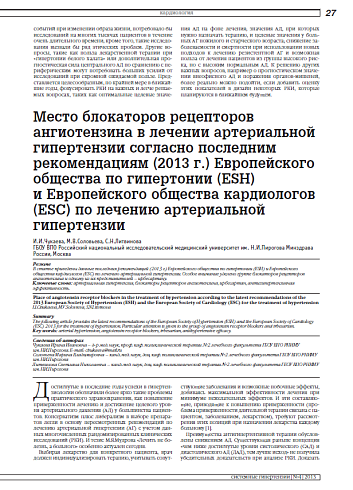
Место блокаторов рецепторов ангиотензина в лечении артериальной гипертензии согласно последним рекомендациям (2013 г.) Европейского общества по гипертонии (ESH) и Европейского общества кардиологов (ESC) по лечению артериальной гипертензии
Материалы доступны только для специалистов сферы здравоохранения.
Чтобы посмотреть материал полностью
Авторизуйтесь
или зарегистрируйтесь.
Аннотация
В статье приведены данные последних рекомендаций (2013 г.) Европейского общества по гипертонии (ESH) и Европейского общества кардиологов (ESC) по лечению артериальной гипертензии. Особое внимание уделено группе блокаторов рецепторов ангиотензина и одному из их представителей – ирбесартану.
Ключевые слова: артериальная гипертензия, блокаторы рецепторов ангиотензина, ирбесартан, антигипертензивная эффективность.
Key words: arterial hypertension, angiotensin receptor blockers, irbesartan, antihypertensive efficacy.
Ключевые слова: артериальная гипертензия, блокаторы рецепторов ангиотензина, ирбесартан, антигипертензивная эффективность.
________________________________________________
Key words: arterial hypertension, angiotensin receptor blockers, irbesartan, antihypertensive efficacy.
Полный текст
Список литературы
1. Чукаева И.И. Что такое приверженность к лечению и что можно сделать для ее улучшения (на примере артериальной гипертонии). Лечебное дело. 2012; 2: 21–7.
2. Рекомендации Европейского общества по гипертонии (ESH) и Европейского общества кардиологов (ESC), 2013 г.
3. Клиническая фармакология. Под ред. В.Г.Кукеса. 4-е изд. М.: ГЭОТАР-Медиа, 2008; с. 392–5.
4. Klag MJ, Whelton PK, Randall BL et al. End-stage renal disease in African American and white men. 16-year MRFIT findings. JAMA 1997; 277: 1293–8.
5. Lea J, Greene T, Hebert L et al. The relationship between magnitude of proteinuria reduction and risk of end-stage renal disease: results of the African American study of kidney disease and hypertension. Arch Intern Med 2005; 165: 947–53.
6. De Zeeuw D, Remuzzi G, Parving HH et al. Albuminuria, a therapeutic target for cardiovascular protection in type 2 diabetic patients with nephropathy. Circulation 2004; 110: 921–7.
7. Schmieder RE, Mann JF, Schumacher H et al. Changes in albuminuria predict mortality and morbidity in patients with vascular disease. J Am Soc Nephrol 2011; 22: 1353–64.
8. Kunz R, Friedrich C, Wolbers M, Mann JF. Meta-analysis: effect of monotherapy and combination therapy with inhibitors of the rennin angiotensin system on proteinuria in renal disease. Ann Intern Med 2008; 148: 30–48.
9. Schmieder RE, Hilgers KF, Schlaich MP, Schmidt BM. Reninangiotensin system and cardiovascular risk. Lancet 2007; 369: 1208–19.
10. Lewis EJ, Hunsicker LG, Clarke WR et al. Renoprotective effect of the angiotensin-receptor antagonist irbesartan in patients with nephropathy due to type 2 diabetes. N Engl J Med 2001; 345: 851–60.
11. Dahlof B, Devereux RB, Kjeldsen SE et al. Cardiovascular morbidity and mortality in the Losartan Intervention For Endpoint reduction inhypertension study (LIFE): a randomized trial against atenolol. Lancet 2002; 359: 995–1003.
12. Julius S, Kjeldsen SE, Weber M et al. Outcomes in hypertensive patients at high cardiovascular risk treated with regimens based on valsartan or amlodipine: the VALUE randomised trial. Lancet 2004; 363: 2022–31.
13. Pfeffer MA, Swedberg K, Granger CB et al. CHARM Investigators and Committees. Effects of candesartan on mortality and morbidity in patients with chronic heart failure: the CHARM-Overall programme. Lancet 2003; 362 (9386): 759–66.
14. Wachtell K, Lehto M, Gerdts E et al. Angiotensin II receptor blockade reduces newonset atrial fibrillation and subsequent stroke compared with atenolol: the Losartan Intervention For End Point Reduction in Hypertension (LIFE) study. J Am Coll Cardiol 2005; 45: 712–9.
15. Schmieder RE, Kjeldsen SE, Julius S et al. Reduced incidence of new-onset atrial fibrillation with angiotensin II receptor blockade: the VALUE trial. J Hypertens 2008; 26: 403–11.
16. Ong KT, Delerme S, Pannier B et al. Aortic stiffness is reduced beyond blood pressure lowering by short-term and long-term antihypertensive treatment: a meta-analysis of individual data in 294 patients. J Hypertens 2011; 29: 1034–42.
17. Shahin Y, Khan JA, Chetter I. Angiotensin converting enzymeinhibitors effect on arterial stiffness and wave reflections: a meta-analysis and meta-regression of randomised controlled trials. Atherosclerosis 2012; 221: 18–33.
18. Karalliedde J, Smith A, De Angelis L et al. Valsartan improves arterialstiffness in type 2 diabetes independently of blood pressure lowering. Hypertension 2008; 51: 1617–23.
19. Verdecchia P, Reboldi G, Angeli F et al. Angiotensin-Converting Enzyme Inhibitorsand Calcium Channel Blockers for Coronary Heart Disease and Stroke Prevention. Hypertension 2005; 46: 386–92.
20. Schrader J, Luders S, Kulschewski A et al. MOSES Study Group. Morbidity and mortality after stroke, eprosartan compared with nitrendipine for secondary prevention: principal results of a prospective randomized controlled study (MOSES). Stroke 2005; 36: 1218–26.
21. Reboldi G, Angeli F, Cavallini C et al. Comparison between angiotensin-converting enzyme inhibitors and angiotensin receptor blockers on the risk of myocardial infarction, stroke and death: a meta-analysis. J Hypertens 2008; 26: 1282–9.
22. Blood Pressure Lowering Treatment Trialists’ Collaboration. Effects of different blood-pressure-lowering regimens on major cardiovascular events: results of prospectively-designed overviews ofrandomised trials. Lancet 2003; 362: 1527–35.
2. Рекомендации Европейского общества по гипертонии (ESH) и Европейского общества кардиологов (ESC), 2013 г.
3. Клиническая фармакология. Под ред. В.Г.Кукеса. 4-е изд. М.: ГЭОТАР-Медиа, 2008; с. 392–5.
4. Klag MJ, Whelton PK, Randall BL et al. End-stage renal disease in African American and white men. 16-year MRFIT findings. JAMA 1997; 277: 1293–8.
5. Lea J, Greene T, Hebert L et al. The relationship between magnitude of proteinuria reduction and risk of end-stage renal disease: results of the African American study of kidney disease and hypertension. Arch Intern Med 2005; 165: 947–53.
6. De Zeeuw D, Remuzzi G, Parving HH et al. Albuminuria, a therapeutic target for cardiovascular protection in type 2 diabetic patients with nephropathy. Circulation 2004; 110: 921–7.
7. Schmieder RE, Mann JF, Schumacher H et al. Changes in albuminuria predict mortality and morbidity in patients with vascular disease. J Am Soc Nephrol 2011; 22: 1353–64.
8. Kunz R, Friedrich C, Wolbers M, Mann JF. Meta-analysis: effect of monotherapy and combination therapy with inhibitors of the rennin angiotensin system on proteinuria in renal disease. Ann Intern Med 2008; 148: 30–48.
9. Schmieder RE, Hilgers KF, Schlaich MP, Schmidt BM. Reninangiotensin system and cardiovascular risk. Lancet 2007; 369: 1208–19.
10. Lewis EJ, Hunsicker LG, Clarke WR et al. Renoprotective effect of the angiotensin-receptor antagonist irbesartan in patients with nephropathy due to type 2 diabetes. N Engl J Med 2001; 345: 851–60.
11. Dahlof B, Devereux RB, Kjeldsen SE et al. Cardiovascular morbidity and mortality in the Losartan Intervention For Endpoint reduction inhypertension study (LIFE): a randomized trial against atenolol. Lancet 2002; 359: 995–1003.
12. Julius S, Kjeldsen SE, Weber M et al. Outcomes in hypertensive patients at high cardiovascular risk treated with regimens based on valsartan or amlodipine: the VALUE randomised trial. Lancet 2004; 363: 2022–31.
13. Pfeffer MA, Swedberg K, Granger CB et al. CHARM Investigators and Committees. Effects of candesartan on mortality and morbidity in patients with chronic heart failure: the CHARM-Overall programme. Lancet 2003; 362 (9386): 759–66.
14. Wachtell K, Lehto M, Gerdts E et al. Angiotensin II receptor blockade reduces newonset atrial fibrillation and subsequent stroke compared with atenolol: the Losartan Intervention For End Point Reduction in Hypertension (LIFE) study. J Am Coll Cardiol 2005; 45: 712–9.
15. Schmieder RE, Kjeldsen SE, Julius S et al. Reduced incidence of new-onset atrial fibrillation with angiotensin II receptor blockade: the VALUE trial. J Hypertens 2008; 26: 403–11.
16. Ong KT, Delerme S, Pannier B et al. Aortic stiffness is reduced beyond blood pressure lowering by short-term and long-term antihypertensive treatment: a meta-analysis of individual data in 294 patients. J Hypertens 2011; 29: 1034–42.
17. Shahin Y, Khan JA, Chetter I. Angiotensin converting enzymeinhibitors effect on arterial stiffness and wave reflections: a meta-analysis and meta-regression of randomised controlled trials. Atherosclerosis 2012; 221: 18–33.
18. Karalliedde J, Smith A, De Angelis L et al. Valsartan improves arterialstiffness in type 2 diabetes independently of blood pressure lowering. Hypertension 2008; 51: 1617–23.
19. Verdecchia P, Reboldi G, Angeli F et al. Angiotensin-Converting Enzyme Inhibitorsand Calcium Channel Blockers for Coronary Heart Disease and Stroke Prevention. Hypertension 2005; 46: 386–92.
20. Schrader J, Luders S, Kulschewski A et al. MOSES Study Group. Morbidity and mortality after stroke, eprosartan compared with nitrendipine for secondary prevention: principal results of a prospective randomized controlled study (MOSES). Stroke 2005; 36: 1218–26.
21. Reboldi G, Angeli F, Cavallini C et al. Comparison between angiotensin-converting enzyme inhibitors and angiotensin receptor blockers on the risk of myocardial infarction, stroke and death: a meta-analysis. J Hypertens 2008; 26: 1282–9.
22. Blood Pressure Lowering Treatment Trialists’ Collaboration. Effects of different blood-pressure-lowering regimens on major cardiovascular events: results of prospectively-designed overviews ofrandomised trials. Lancet 2003; 362: 1527–35.
Авторы
И.И.Чукаева*, М.В.Соловьева, С.Н.Литвинова
ГБОУ ВПО Российский национальный исследовательский медицинский университет им. Н.И.Пирогова Минздрава России, Москва
*chukaeva@mail.ru
*chukaeva@mail.ru
ГБОУ ВПО Российский национальный исследовательский медицинский университет им. Н.И.Пирогова Минздрава России, Москва
*chukaeva@mail.ru
________________________________________________
*chukaeva@mail.ru
Цель портала OmniDoctor – предоставление профессиональной информации врачам, провизорам и фармацевтам.